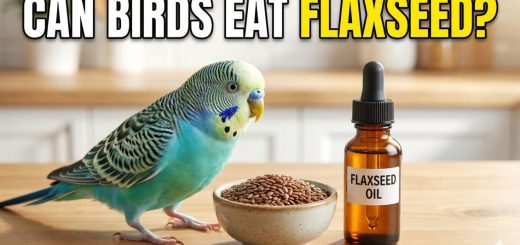
Can birds eat Chia Seeds


Avian Consumption of Chia Seeds: A Nutritional Briefing
Executive Summary
Chia seeds (Salvia hispanica) are a safe and highly nutritious dietary supplement for a wide range of bird species, including parrots, finches, and doves. Their primary value lies in a dense nutritional profile rich in omega-3 fatty acids, plant-based protein, fibre, and essential minerals, which support heart health, feather condition, and digestion.
Safe administration is paramount; the seeds should be served in moderation and prepared correctly, particularly for smaller birds. Soaking the seeds to form a soft gel or mixing them into soft foods mitigates the risk of swelling after ingestion. While generally safe, overfeeding can lead to excessive fat intake. Chia seeds must be treated as a supplemental component of a balanced diet and should not replace staple foods such as pellets or fresh vegetables.
Nutritional Profile and Health Benefits
Chia seeds are identified as a “nutritional powerhouse” and are considered superior to many common seed fillers due to their nutrient density. The key nutritional components and their associated benefits for birds are outlined below.
| Nutrient Component | Associated Health Benefit |
| Omega-3 Fatty Acids | Supports cardiovascular health and promotes optimal feather condition. |
| Plant-Based Protein | Essential for muscle development and maintenance. |
| Dietary Fibre | Aids in proper digestive function. |
| Minerals (Calcium, Magnesium) | Contribute to overall health and physiological functions. |
| Antioxidants | Support the body’s natural defense systems. |
Suitable Species and Safe Administration
Proper preparation and an understanding of which species can consume chia seeds are critical for leveraging their benefits without introducing risk.
Applicable Avian Species
Chia seeds are a suitable dietary addition for a variety of bird species. The documented list includes:
- Parrots
- Budgies
- Cockatiels
- Finches
- Canaries
- Doves
- Certain wild garden birds
It is noted that smaller birds derive the most benefit when the seeds are served soaked or integrated into soft food preparations.
Recommended Serving Methods
Preparation is a key factor in serving chia seeds safely. The following methods are recommended:
- Soaked: Chia seeds absorb liquid and expand to form a soft, easily digestible gel. This is the preferred method for smaller birds.
- Mixed: The seeds can be incorporated directly into other soft foods, such as avian mash or chopped vegetables (“chop”).
- Sprinkled: For larger birds, a light sprinkling of chia seeds can be added to their regular seed mix.
A primary safety concern is serving large quantities of dry chia seeds to very small birds, as the seeds can swell significantly after being ingested.
Dietary Integration and Potential Risks
While beneficial, chia seeds must be integrated into an avian diet thoughtfully and with a clear understanding of their role and potential downsides.
Recommended Consumption Levels
The guiding principle for feeding chia seeds is moderation. They are to be regarded strictly as a supplement, not a staple food source. The recommended serving schedule is small amounts administered a few times per week. This frequency is sufficient to provide nutritional benefits without causing a dietary imbalance. Chia seeds should never be used to replace core dietary components like pellets, fresh foods, or a varied seed mix.
Identified Risks and Mitigation
The risks associated with chia seeds are minimal and primarily related to improper feeding practices.
- Excess Fat Intake: Overfeeding can disrupt a bird’s balanced diet and lead to an unhealthy intake of fat.
- Ingestion Hazard: Dry seeds pose a potential risk for very small bird species due to their capacity to expand upon contact with moisture within the digestive tract. This risk is mitigated by soaking the seeds before serving.
Final Verdict
The consumption of chia seeds by birds is not only permissible but beneficial when managed correctly. As a nutrient-rich supplement, they offer significant health advantages. Provided they are prepared safely, offered in moderation, and included as one component of a complete and balanced diet, chia seeds are a healthy addition for many avian species.
Want a quick visual breakdown of this guide? Watch our video explanation here:
Can birds eat Chia Seeds Video Guide