Can birds eat tarragon Benefits, Safety & How to Feed


Avian Dietary Analysis: The Safety and Application of Tarragon
Executive Summary
Tarragon is a safe, non-toxic herb that can be integrated into the diets of various bird species, including parrots, cockatiels, and budgies. It serves as a source of essential vitamins and antioxidants while providing aromatic stimulation that can encourage picky eaters. While both French Tarragon (Artemisia dracunculus) and Texas Tarragon (Tagetes lucida) are acceptable, they must be administered in moderation due to the presence of concentrated volatile oils. For optimal safety and nutrition, tarragon should be served fresh, thoroughly cleaned, and free from any added seasonings or pesticides.
Species Classification and Characteristics
The term “tarragon” in an avian dietary context typically refers to two distinct plants within the Asteraceae family:
| Feature | French Tarragon (Artemisia dracunculus) | Texas/Mexican Tarragon (Tagetes lucida) |
| Common Aliases | Estragon | Mexican Mint Marigold, Texas Tarragon |
| Family | Asteraceae | Asteraceae (Marigold family) |
| Flavor Profile | Anise-like | Anise-like |
| Physical Traits | Perennial herb | Produces bright yellow edible flowers |
| Wildlife Impact | Generally safe for consumption | Attracts songbirds, bees, and butterflies |
Safety Considerations and Nutritional Profile
Tarragon provides variety and nutritional depth to avian diets, though its use requires adherence to specific safety protocols.
Key Benefits
- Nutritional Value: The herb contributes essential vitamins and antioxidants to a bird’s daily intake.
- Aromatic Stimulation: The mild anise-like scent is effective in enticing birds to sample new vegetable mixtures.
- Non-Toxicity: Both the leaves of both species and the flowers of the Texas variety are non-toxic to birds.
Critical Safety Notes
- Concentrated Essential Oils: Tarragon contains volatile oils, such as estragole. Because these are highly concentrated, the herb should be fed sparingly as an occasional treat rather than a primary food source to avoid irritating sensitive digestive systems.
- Fresh vs. Dried: Fresh tarragon is preferred over dried versions, as the drying process can overly concentrate the herb’s properties.
- Chemical Exposure: Herbs must be washed or rinsed thoroughly to remove pesticides. Sourcing organic or home-grown herbs is the recommended standard.
Serving and Enrichment Methodologies
Tarragon can be introduced into an avian environment through several delivery methods designed to mimic natural behaviors:
- Fresh Bird Chop: Mincing leaves and flowers into a nutrient-dense mixture of vegetables and grains.
- Foraging Enrichment: Tucking whole sprigs into foraging toys or weaving them through cage bars to encourage natural shredding and tasting.
- Herbal Tea: Offering cooled, water-diluted tarragon tea as a calming treat.
- Fruit Blends: For birds with a preference for sweets, tarragon can be blended with apple or orange slices to create a “fruit leather.”
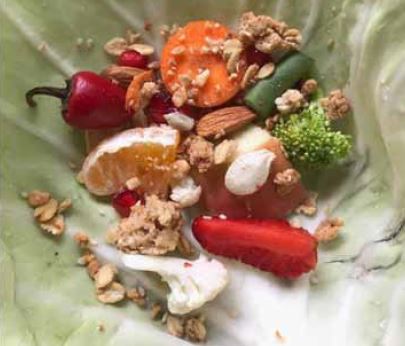
Culinary Application: Garden-Fresh Tarragon Bird Chop
A “chop” is a nutrient-dense mixture designed to mimic a natural foraging diet. The following recipe is formulated for large-batch preparation and freezing.
Ingredients
- Base: 2 cups of finely chopped leafy greens (kale, Swiss chard, or dandelion greens).
- Vegetables: 1 cup broccoli florets, 1 cup grated carrots, and 1/2 cup chopped bell peppers.
- Herb Blend: 2 tablespoons fresh, finely minced tarragon leaves (stems removed).
- Grains/Legumes: 1 cup unseasoned cooked quinoa or sprouted lentils.
- Healthy Fats: 1 tablespoon flax seeds or crushed walnuts.
Preparation Instructions
- Herb Processing: Wash the tarragon and strip leaves from the woody stems. Mince finely to ensure even flavor distribution.
- Vegetable Integration: Combine chopped greens, carrots, broccoli, and peppers in a large bowl.
- Mixing: Fold in the cooked grains and minced tarragon.
- Final Additions: Incorporate seeds or nuts.
- Storage: Serve 1–2 tablespoons daily. Remainder can be frozen in ice cube trays for portion control.
Fundamental Preparation Rules
To maintain avian health, the following restrictions must be strictly observed during preparation:
- No Seasonings: Never add salt, sugar, butter, or oils to herb preparations.
- Stem Removal: Woody stems should be removed before mincing leaves for “chops” to ensure the bird does not selectively avoid the mixture.
- Moderation: Tarragon must remain a supplemental component of a balanced meal, not the main food source.
Want a quick visual breakdown of this guide? Watch our video explanation here:
Can birds eat tarragon Video Guide