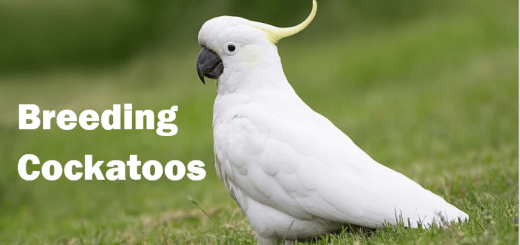
How to Breed the Galah Expert Tips from Tony Silva Egg Breaking Behavior Explained


1. Introduction
- Introduce the Galah (Eolophus roseicapilla), also called the pink and grey cockatoo or rose-breasted cockatoo.
- Mention it is one of the most widespread cockatoos in Australia, popular in aviculture worldwide for its striking pink and grey plumage and playful personality.
- Note lifespan (up to 40–50 years in captivity) and importance of responsible breeding.
2. Identification and General Characteristics
- Medium-sized cockatoo (approx. 35 cm long).
- Distinctive pink chest and face, soft grey wings and back.
- Known for intelligence, strong pair bonds, and social behavior.
- Popular as both aviary and companion birds.
3. Breeding Season
- In the wild: August to January (spring and summer in Australia).
- In captivity: can vary slightly depending on climate and aviary conditions.
- Importance of providing correct light cycles and nutrition to stimulate breeding.
4. Pairing and Compatibility
- Galahs form lifelong monogamous bonds.
- Ensure pairs are compatible before breeding; aggression may occur if birds are mismatched.
- Recommended to introduce potential mates in neutral aviaries and observe behavior.
5. Housing and Nesting Requirements
- Spacious aviary required due to Galah’s activity levels.
- Nest box: vertical or horizontal wooden box, approx. 30 × 30 × 60 cm, with rough inside for climbing.
- Nesting material: untreated wood shavings or sawdust.
6. Diet for Breeding Galahs
- Balanced diet with high-quality seed mix, fresh vegetables, fruits, sprouted seeds, and pellets.
- Calcium and vitamin supplements to support egg-laying hens.
- Fresh water always available.
7. Egg Laying and Incubation
- Clutch size: usually 2–5 eggs.
- Incubation: about 25–30 days, with both parents sharing duties.
- Hatchlings are altricial (blind and featherless).
8. Chick Rearing and Weaning
- Parents feed chicks via regurgitation.
- Chicks fledge at around 7–8 weeks.
- Weaning: usually complete by 10–12 weeks.
- Hand-rearing sometimes done for tame pets, but requires experience.
9. Common Challenges
- Aggression between pairs if not bonded.
- Egg-binding in hens (need good calcium and vet support).
- Overbreeding stress — allow resting periods between clutches.
10. Conservation and Ethical Considerations
- Galahs are not endangered, but responsible breeding is essential to avoid oversupply in the pet trade.
- Importance of educating new owners on the long lifespan and high care requirements of Galahs.
11. Conclusion
- Breeding Galahs can be rewarding and successful with proper housing, diet, and care.
- Encourage responsible aviculture, ensuring both parents and chicks remain healthy.
- Close with reminder of their beauty and role as beloved Australian cockatoos.
Want a quick visual breakdown of this guide? Watch our video explanation here: