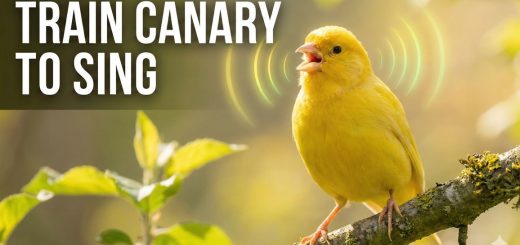
How to train canary to sing


Canary Vocal Training and Development: A Comprehensive Briefing
Executive Summary
The vocal performance of a canary (Serinus canaria) is a sophisticated synthesis of biological instinct, genetic selection, and environmental conditioning. While canaries possess an innate musical repertoire, reaching peak performance requires active instruction and a controlled environment. Only male canaries are expressive singers, as the behavior serves as a territorial and mating display. To optimize vocal output, keepers must provide a healthy environment, manage social and light-related stimuli, and utilize audio mimicry techniques. Training methods have evolved from 18th-century mechanical instruments like the serinette to modern digital recordings. A cessation in singing typically indicates physiological changes, such as molting, or underlying health issues requiring avian veterinary intervention.
Biological and Genetic Foundations of Song
The ability of a canary to sing is not merely a random trait but a complex biological function driven by sex, age, and neurology.
- Gender Dimorphism: Vocalization is primarily a male trait. Male canaries utilize song as a tool for attracting mates and establishing territory. Consequently, female canaries are not considered reliable or expressive singers.
- Neurobiology and Learning Phases: Canaries learn the foundations of their song during early life stages known as the sensory and sensorimotor phases. Scientific research indicates that the song-receptor part of a canary’s brain remains active at all times, including during sleep.
- Genetic Selection: Over decades, breeders have enhanced vocal capabilities at a genetic level by selectively breeding the most proficient singers.
- The Teacher-Pupil Relationship: Just as human language acquisition requires constant exposure, a canary cannot reach its full potential without a “tutor.” In the wild, this role is filled by fellow canaries; in captivity, it is supplemented by human-led training.
Historical Methodologies in Avian Instruction
The practice of training songbirds has a rich history, particularly in Europe, where specialized tools were developed to refine avian repertoires.
The Serinette
Developed by French canary keepers in the 1700s, the serinette (derived from serin, the Old French word for canary) was a specialized instrument designed for bird instruction.
- Mechanism: It functioned similarly to a small barrel organ, using a hand-cranked bellows to pump air through a series of pipes.
- Purpose: It produced flute-like notes intended to inspire canaries to impersonate the sounds.
The Sopranino Recorder
The sopranino recorder served as a more accessible alternative to the serinette. Composers wrote specific musical pieces for the instrument to be played for canaries, with the goal of “whetting the bird’s musical imagination.”
Mimicry Characteristics
Historical evidence shows that canary mimicry is approximate. Rather than a note-by-note reproduction, the birds tend to assimilate the “shape and tone” of the music played to them.
Environmental Optimization for Performance
A canary’s willingness to sing is heavily influenced by its physical surroundings and social context. Training is most effective when the following conditions are met:
| Factor | Requirement | Rationale |
| Social Isolation | Keep males solo | A male sings to attract a mate; the presence of a female (or a mirror) removes the incentive to sing. |
| Acoustic Stimulation | Active environments | Canaries respond to sound and movement; they should be placed in active rooms rather than isolated, quiet areas. |
| Light Cycles | Seasonal adjustment | Singing is hormonal and driven by daylight. Gradually increasing light to a maximum of 14 hours mimics the mating season. |
| Temperature | 65°F to 75°F (18°C-24°C) | Stable, moderate temperatures support the bird’s overall health and energy for singing. |
Modern Training Techniques
Modern training leverages digital technology and consistent social interaction to refine a bird’s song.
- Audio Emulation: The use of “champion canary” recordings is a standard practice. These recordings should be played during the bird’s early developmental phases.
- Repetition and Duration: Success is found in playing a single tune or phrase during dedicated sessions of 5–10 minutes when the bird appears most receptive.
- Human Interaction: Softly talking or singing to the bird can provide motivation. The canary may attempt to “outdo” the human voice, viewing it as a form of social competition or comfort.
- Ambient Sounds: Canaries are susceptible to environmental noises, such as the sound of trickling water or wild birds outside, which can be used to stimulate vocal activity.
Identifying and Addressing Vocal Cessation
If a previously vocal male canary stops singing, it is usually a sign of a natural cycle or a health-related concern.
Natural Inhibitors
- Molting: Canaries typically stop singing during their molting periods, which usually occur during the summer and winter. This is a normal physiological response to the energy demands of feather regrowth.
- Seasonality: Singing may decrease during non-mating seasons as hormonal levels shift.
Medical Indicators
A sudden cessation of song without an environmental or seasonal cause may indicate illness. Signs of distress include:
- Physical Changes: Permanently fluffed feathers, missing feathers, incessant plucking, or unusual marks/swelling.
- Respiratory Issues: Wheezing, coughing, or any visible discharge.
- Behavioral Shifts: Staying low in the cage, loss of appetite, or holding limbs (feet/wings) in odd positions.
Professional avian veterinarians are essential for diagnosing these issues, and annual check-ups are recommended to monitor singing behavior and general health.
Want a quick visual breakdown of this guide? Watch our video explanation here: