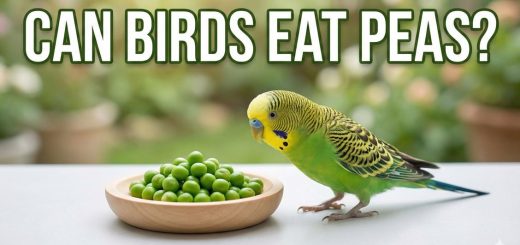
Walnuts for birds: Parrots, budgies, cockatiels


Walnuts for birds: When it comes to feeding our pet birds, variety is key for both their physical health and mental stimulation. Nuts, especially walnuts, can be a healthy addition to a bird’s diet, but there are important considerations to keep in mind, especially regarding portion sizes and specific species of birds. Let’s explore the benefits and potential risks of offering walnuts to pet birds, including parrots, budgies, cockatiels, and finches.
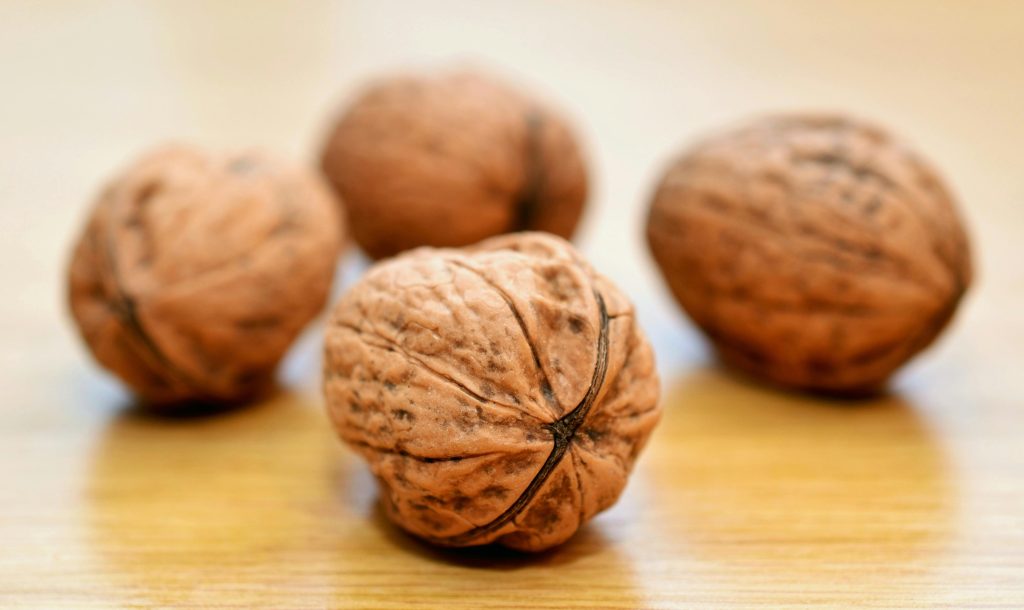
Are Walnuts Safe for Birds?
Yes, walnuts are generally safe for birds. In fact, they are packed with beneficial nutrients like healthy fats, protein, and essential vitamins and minerals. However, walnuts, like all nuts, should be offered in moderation due to their high fat content, which can lead to obesity or other health issues if overfed.
That said, different bird species have different dietary needs, and this should be taken into account when introducing walnuts to your bird’s diet.
Nutritional Benefits of Walnuts for Birds
Walnuts provide a wealth of nutrition that can benefit birds in various ways. Some of the key nutrients found in walnuts include:
- Healthy Fats: Walnuts are rich in omega-3 fatty acids, which are essential for maintaining healthy feathers and skin. Omega-3s also support cognitive function and cardiovascular health in birds.
- Protein: Walnuts contain a good amount of protein, which is vital for muscle maintenance and repair, especially in active birds like parrots.
- Vitamins and Minerals: Walnuts are a source of vitamins like vitamin E, which has antioxidant properties, and B vitamins, which support energy production. They also provide minerals such as magnesium, which aids in bone health, and copper, important for proper red blood cell production.
Feeding Walnuts to Parrots, Budgies, Cockatiels, and Finches
Here’s how different species of birds can benefit from walnuts, and what you should be aware of when offering them.
1. Parrots (African Greys, Amazons, Macaws, etc.)
Parrots, especially large species like African Greys and Macaws, can benefit from the rich nutrition that walnuts offer. Parrots are highly intelligent and enjoy cracking open nuts, which can also serve as an enrichment activity. The act of cracking the shell engages their beaks and minds, keeping them entertained.
Serving Tips for Parrots:
- Offer whole, unshelled walnuts for larger parrots to crack open. This mimics the foraging behavior they would use in the wild.
- Be sure to limit walnuts to an occasional treat due to their high fat content. One or two walnuts a few times per week is enough.
2. Budgies
Budgies, or parakeets, are much smaller than parrots, and their dietary needs are different. Walnuts can be a healthy treat, but they should be given in very small amounts. Since walnuts are quite large and dense for a budgie, you can offer tiny pieces.
Serving Tips for Budgies:
- Crush or chop walnuts into small, manageable pieces to avoid choking hazards.
- Offer walnuts as an occasional snack, not more than once or twice a week, to avoid overloading them with fat.
3. Cockatiels
Cockatiels, while larger than budgies, still have smaller dietary requirements than parrots. Like with budgies, walnuts can be offered in small amounts as an occasional treat.
Serving Tips for Cockatiels:
- Break walnuts into smaller pieces for easier consumption.
- Use walnuts as a special treat or training reward rather than a staple in their diet.
4. Finches
Finches are even smaller than budgies and cockatiels, and while they can eat walnuts, it’s essential to offer them in very tiny pieces. Their primary diet should consist of seeds, grains, and vegetables, with nuts like walnuts being offered sparingly.
Serving Tips for Finches:
- Finely crush walnuts before offering them to finches, ensuring the pieces are very small.
- Walnuts should be given as an occasional treat, no more than once a week.
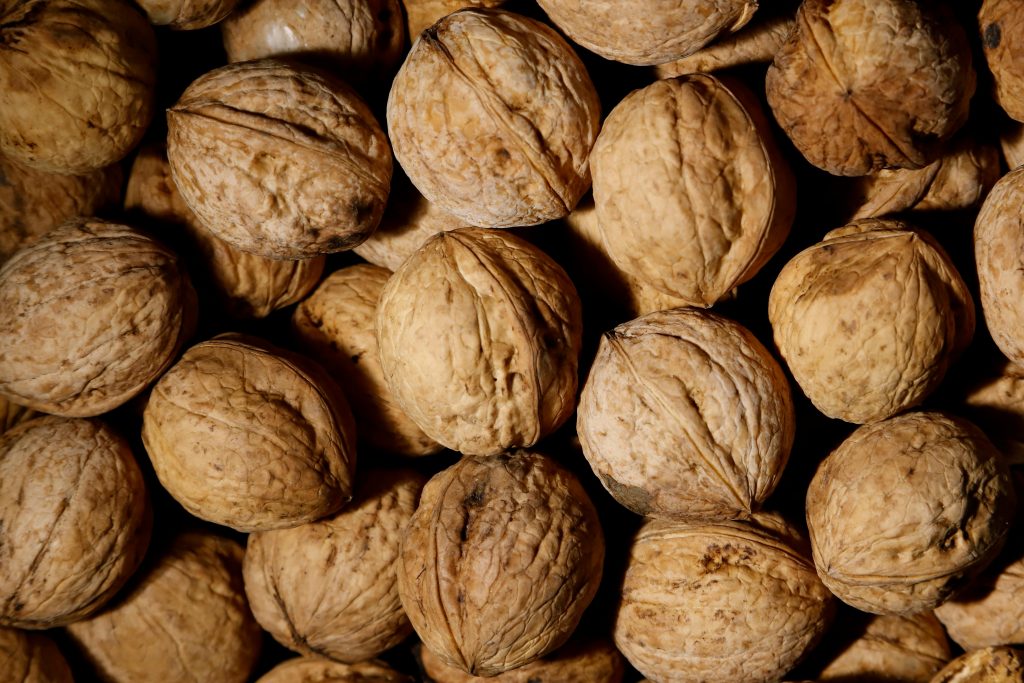
Important Considerations When Feeding Walnuts to Birds
While walnuts can be a healthy treat, there are some important considerations to keep in mind:
- Avoid Salted or Flavored Walnuts: Always offer plain, unsalted, and unseasoned walnuts to birds. Salt and added flavors can be harmful to birds, especially in large quantities.
- Moderation is Key: Walnuts are high in fat, so overfeeding can lead to obesity, fatty liver disease, or other health problems. Use them as treats or rewards, rather than as a significant part of their daily diet.
- Freshness: Ensure the walnuts are fresh and not moldy. Nuts can become contaminated with mold or fungi, which can produce harmful toxins like aflatoxin, a potent carcinogen.
- Foraging Fun: For larger parrots, offering whole, unshelled walnuts can provide a fun foraging opportunity. Birds enjoy the challenge of breaking open the shells to get to the nut inside, which can keep them entertained and mentally stimulated.
Walnuts for birds: How to Safely Introduce Walnuts to Your Bird’s Diet
If you’ve never offered walnuts to your bird before, introduce them slowly and observe their reaction. Some birds may immediately take to them, while others might be unsure at first.
- Start with small pieces, especially for smaller birds, and gradually increase the size of the portion based on their preference and size.
- Observe any changes in behavior or droppings after introducing walnuts. If you notice any adverse effects, like diarrhea or lethargy, discontinue the treat and consult with an avian vet.
- Rotate treats: While walnuts can be a tasty addition, remember to rotate treats to keep your bird’s diet diverse and balanced. Other bird-safe nuts, like almonds and pecans, can also provide variety.
Walnuts for birds conclusion
Walnuts can be a healthy, nutritious snack for birds, including parrots, budgies, cockatiels, and finches, when offered in moderation. They are packed with beneficial nutrients like healthy fats and protein, but due to their high fat content, they should be limited to occasional treats, especially for smaller bird species.
When feeding walnuts, ensure they are plain, unsalted, and fresh, and adjust portion sizes according to your bird’s size and dietary needs. Incorporating walnuts into your bird’s diet can provide both nutrition and enrichment, making mealtime more interesting and fun for your feathered friend.
Walnuts for birds: Next time you’re enjoying some walnuts yourself, remember that sharing a little with your bird could be a delightful treat for both of you!
Monika’s Mac Nuts, is a premier magazine subscriber, and I highly recommend them for In Shell Premium Macadamia Nuts, 100% Pesticide Free, and Grown On The Big Island of Hawaii.
Here are some more nuts that you can feed: