Breeding Black-faced Firefinches: Housing, Pairing, Diet


Breeding Black-faced Firefinches: Breeding Black-faced Firefinches (Lagonosticta larvata) can be a rewarding yet delicate process, as these small African finches require specific conditions to breed successfully. Here are the key aspects of breeding them in captivity:
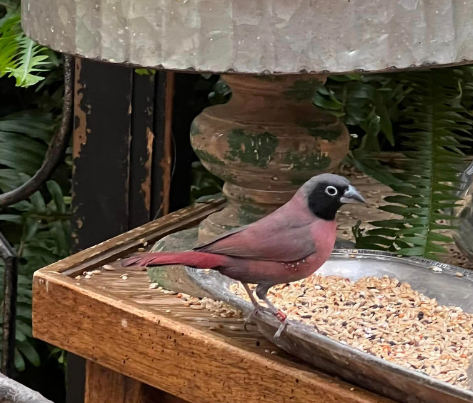
1. Environment and Housing
- Aviary Setup: Black-faced Firefinches prefer to breed in large, well-planted aviaries that mimic their natural environment. Include dense bushes or plants to provide privacy and a feeling of security.
- Temperature: These finches are native to warm regions of sub-Saharan Africa, so a stable temperature around 24-27°C (75-80°F) is ideal.
- Lighting: They need about 12-14 hours of daylight during the breeding season to stimulate reproductive behavior.
- Nest Boxes: Provide small nest boxes or enclosed areas filled with soft nesting materials like coconut fiber, dry grass, and feathers.
2. Pairing and Mating Behavior
- Monogamous: Black-faced Firefinches are monogamous, and once paired, they usually remain bonded. It’s important to select a compatible pair as forced pairing may lead to aggression or stress.
- Courtship Displays: The male will perform courtship displays, including singing, hopping, and presenting nesting materials to the female. If the female is receptive, she will respond by inspecting the nest and allowing the male to mate with her.
3. Diet for Breeding
- High-Protein Diet: During breeding, provide a high-protein diet, including live foods like mealworms, waxworms, and small insects. These help stimulate breeding and provide essential nutrients for the growing chicks.
- Seed Mixes: A high-quality seed mix for finches should be available at all times, supplemented with egg food, fresh fruits, and vegetables. Calcium supplements, like cuttlebone or powdered calcium, help ensure healthy eggshell development.
4. Egg Laying and Incubation
- The female will typically lay 3-5 eggs, which are incubated for about 12-14 days. Both the male and female will take turns incubating the eggs, with the male often taking over the night shift.
- Monitor for Stress: Keep the aviary calm and free from disturbances, as Black-faced Firefinches can be easily stressed, which may result in them abandoning the nest.
5. Chick Development
- Feeding the Chicks: After hatching, both parents will feed the chicks with regurgitated food, primarily consisting of insects and soft seeds. Continue offering live food to support the parents during this demanding time.
- Fledging: Chicks fledge the nest at around 2-3 weeks old, but they may still depend on the parents for food for several more weeks.
- Weaning: Once the chicks are independent, they can be gradually weaned onto seed-based diets similar to the adults.
6. Potential Challenges
- Infertility: Black-faced Firefinches are known to have low fertility rates in captivity. If eggs remain unhatched, consider environmental factors, nutrition, or stress as possible causes.
- Nest Abandonment: These birds can be prone to abandoning their nests if they feel threatened or stressed. Minimizing disturbance during breeding is critical.
7. Aftercare and Future Breeding
- Once the breeding cycle is complete, clean out the nest boxes and disinfect them to prevent the spread of parasites or diseases. If the pair is healthy and conditions are maintained, they can produce multiple clutches in a breeding season.
Successfully breeding Black-faced Firefinches requires patience and careful attention to their needs, particularly regarding environment and nutrition.
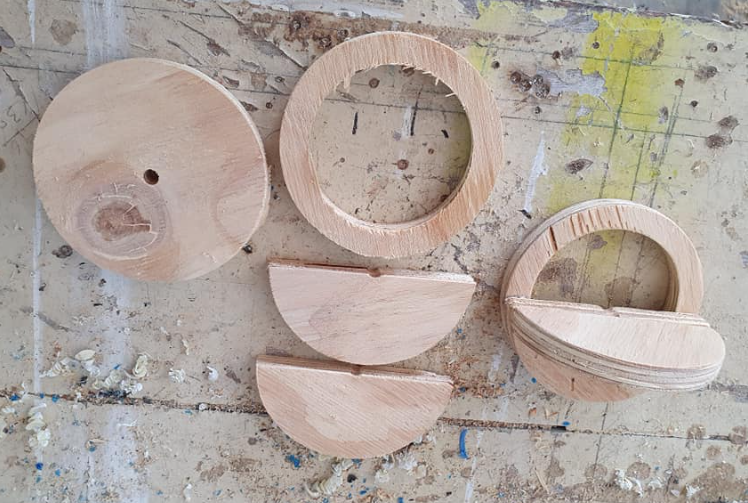
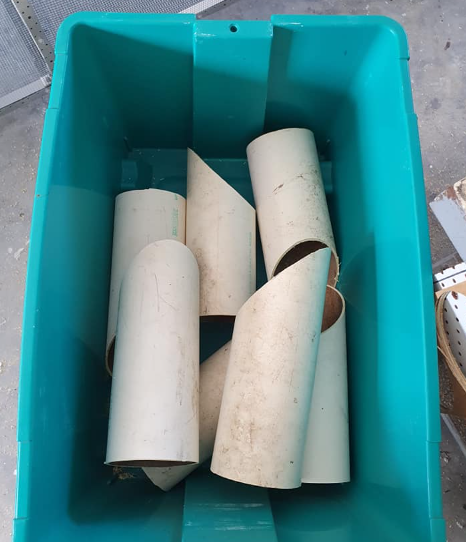
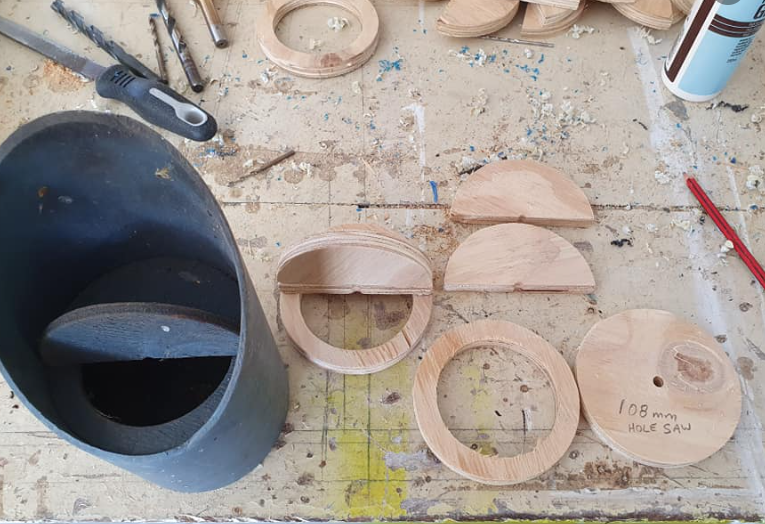
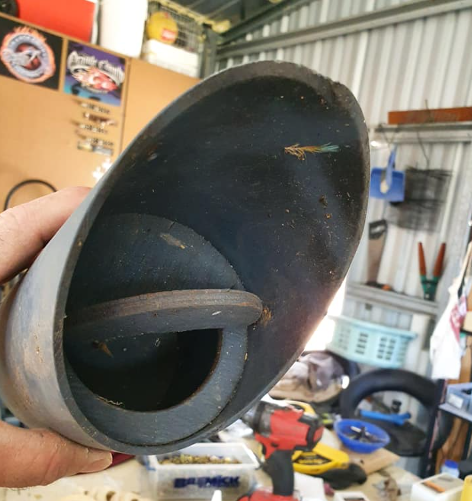
Pipe nests: Tony Arnold
The design I used to make years ago. I have bred many tri-coloured and red-faced parrot finches in these types of nests.