Breeding Pin-tailed parrotfinches: Housing, nesting, feeding


Breeding Pin-tailed parrotfinches:
Breeding Pin-tailed Parrotfinches (Erythrura prasina) can be an exciting yet intricate process, as these small, colorful finches require careful attention to their environment, diet, and breeding conditions. Here’s a guide on how to breed them successfully:

1. Environment and Housing
- Aviary Size: Pin-tailed parrotfinches are active birds that need a spacious aviary to fly and exercise. A large flight cage or aviary with plenty of space and perches is essential for their well-being.
- Plants and Privacy: Include dense greenery or artificial plants to mimic their natural habitat, providing hiding spaces and reducing stress. Privacy is crucial to help them feel secure enough to breed.
- Temperature and Lighting: They thrive in warm conditions. Maintain a temperature around 24-27°C (75-80°F), as cooler temperatures can deter breeding. Provide 12-14 hours of daylight to stimulate breeding behavior.
2. Nesting
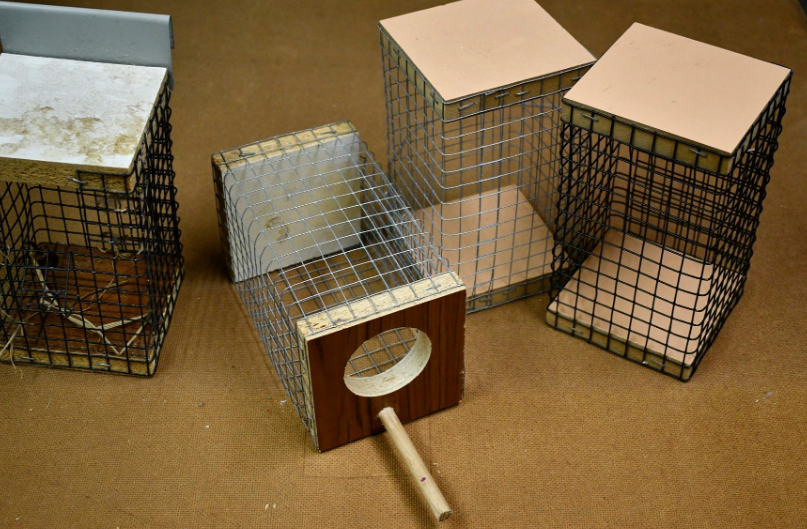
- Nest Boxes: Use small, enclosed nest boxes or provide woven wicker nests that mimic their natural nesting preferences. You can also offer grasses, coconut fibers, and soft plant materials for nest building.
- Placement: Place the nest in a secluded part of the aviary, away from high-traffic areas, to reduce stress on the breeding pair.
3. Pairing and Mating Behavior
- Compatible Pairing: Pin-tailed parrotfinches should be paired based on compatibility. Forced pairing can lead to aggression or failure to breed. Watch for bonding behaviors such as mutual preening or feeding.
- Courtship: The male often performs a courtship display, hopping around the female and making soft calls. Once the pair bonds, they will begin nest-building together.
4. Diet for Breeding
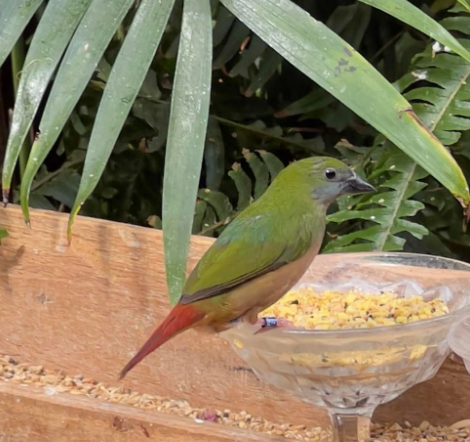
- Seed Mixes: Provide a varied, high-quality seed mix that includes millet, canary seed, and grass seeds. Parrotfinches also enjoy small seeds like niger seeds.
- Soft Foods: During breeding, offer soft food mixes, including egg food, sprouted seeds, and soaked grains, to provide additional protein and nutrients.
- Live Food: Supplement their diet with mealworms, small insects, or other live food, especially while they are raising chicks, to ensure they get enough protein.
- Fresh Greens and Fruit: Include a variety of greens like spinach, chickweed, and small pieces of fruit such as apple slices.
5. Egg Laying and Incubation
- The female typically lays 4-6 eggs, which she will incubate for 12-14 days. Both parents may help incubate, but it’s often the female that takes the primary role.
- Monitor without Disturbing: Ensure minimal interference during incubation, as disturbing the pair too often can cause them to abandon the nest.
6. Chick Development
- Feeding the Chicks: Both parents will feed the chicks with regurgitated soft foods, including insects and sprouted seeds. Make sure there’s a consistent supply of high-protein food during this stage.
- Fledging: Chicks will fledge at around 21-24 days but will continue to rely on their parents for food for another couple of weeks.
- Weaning: After fledging, the young can gradually be introduced to solid food like seeds and soft greens.
7. Challenges
- Egg Binding: Female finches may experience egg-binding if they lack calcium. Ensure cuttlebone or calcium supplements are always available.
- Aggression: Sometimes the male or other birds in the aviary may become aggressive toward the breeding pair or chicks. Monitor closely and separate aggressive birds if necessary.
8. Aftercare
- Once the breeding cycle is complete, clean the nest and aviary thoroughly to prevent the spread of parasites. If conditions remain favorable, the pair may breed again during the season.
Key Tips for Success:
- Maintain a stress-free, quiet environment.
- Ensure the pair is well-bonded before introducing them to a breeding setup.
- Provide a high-protein diet throughout the breeding and chick-rearing phases.
Breeding Pin-tailed parrotfinches conclusion:
By providing the right environment, diet, and care, Pin-tailed Parrotfinches can successfully breed in captivity and raise healthy chicks.
You might also be interested in breeding other finch species in our finch category.