Breeding Ruddy-breasted seedeaters: Chestnut-bellied Seedeaters


Breeding Ruddy-breasted Seedeaters (Sporophila minuta), also known as Chestnut-bellied Seedeaters, requires attention to their specific habitat, diet, and breeding conditions. Here’s a guide for successful breeding:
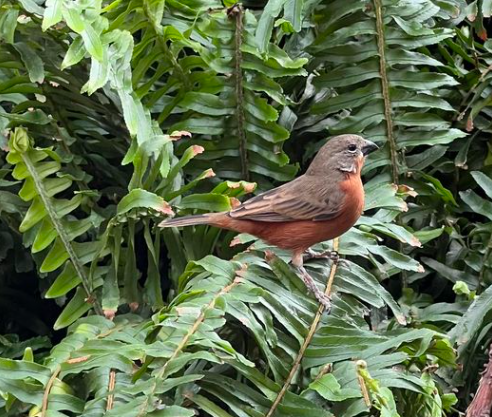
1. Environment and Housing
- Aviary or Cage: Provide a spacious aviary or cage with plenty of room for flying. A well-ventilated but protected space is essential, as these birds are active.
- Vegetation: Incorporating plants into the aviary, like grasses and small shrubs, can help replicate their natural environment and encourage breeding. They also provide privacy.
- Temperature and Humidity: Keep the temperature between 22-28°C (72-82°F) and maintain moderate humidity levels, as they are native to tropical and subtropical regions.
2. Diet for Breeding
- Seed Mixes: Provide a variety of high-quality seeds, including millet, canary seed, and native grass seeds. These are essential for their overall diet.
- Live Food: During breeding, supplement with live insects like small mealworms or fruit flies to provide additional protein, essential for chick development.
- Soft Foods: Offer egg food and soaked seeds during the breeding period to increase their protein intake.
- Fresh Greens: Fresh greens like chickweed or spinach should also be part of their diet, along with a calcium supplement such as cuttlebone for egg formation.
3. Nesting
- Nest Material: Provide natural nesting materials like dried grasses, coconut fibers, and feathers. The Ruddy-breasted Seedeaters are known to build open-cup nests.
- Nest Placement: Place the nest high up in a secluded corner of the aviary to avoid disturbance.
4. Breeding Behavior
- Courtship: Males will display courtship behaviors, including singing and flaring their wings. Once paired, the male will often feed the female, and the pair will begin building the nest.
- Clutch Size: The female typically lays 2-3 eggs. Both parents may share in incubating the eggs, with an incubation period of 11-13 days.
5. Raising Chicks
- Feeding Chicks: Once the chicks hatch, both parents feed them with soft food and insects. Live food becomes crucial at this stage, as chicks need high-protein diets.
- Fledging: The young will fledge in about 14-18 days but will still rely on their parents for food until they are fully weaned.
6. Common Breeding Challenges
- Egg Binding: Female finches may suffer from egg binding if calcium intake is inadequate. Always provide a cuttlebone or calcium-rich food.
- Aggression: Some pairs may show aggression during breeding. It’s important to monitor the birds closely and separate aggressive individuals if necessary.
Breeding Ruddy-breasted Seedeaters – Key Tips:
- Create a stress-free, quiet environment.
- Offer a nutrient-rich diet with sufficient protein during the breeding season.
- Provide plenty of nesting material and privacy to encourage natural breeding behaviors.
With proper care and attention to their needs, Ruddy-breasted Seedeaters can be successfully bred in captivity.


