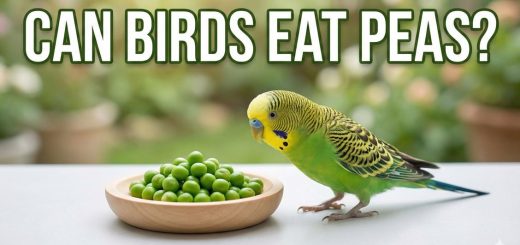
Can Birds Eat Cucumber? Parrots, budgies, finches


Can Birds Eat Cucumber? Avian Nutrition: An Analysis of Cucumber (Cucumis sativus)
This blog post synthesizes current knowledge on the role of cucumber (Cucumis sativus) in avian diets, drawing from veterinary, nutritional, and scientific sources. The consensus confirms that cucumber is a safe, non-toxic food for most pet bird species, including parrots, canaries, and finches. However, its application must be strictly defined as a supplemental treat rather than a dietary staple.
The primary benefits of cucumber are its exceptionally high water content (95-96%) and very low caloric density, making it an excellent source of hydration, particularly during warm weather, and a useful tool for managing weight in captive birds. Its nutritional profile, however, is limited in essential proteins, fats, vitamins, and minerals compared to more nutrient-dense vegetables. Over-reliance on cucumber poses a significant risk of nutritional dilution, where a bird achieves satiety without consuming vital nutrients, potentially leading to deficiencies in Vitamin A and calcium.
The most critical safety considerations are extrinsic. While cucumber itself is not toxic, its skin can retain significant pesticide residues, which are often sealed under wax and resistant to simple water rinsing. Furthermore, fresh produce can be a vector for harmful bacteria like E. coli and Salmonella. Therefore, rigorous preparation—including thorough washing with effective solutions (e.g., vinegar and water) or peeling non-organic varieties—is mandatory. Cucumber seeds are considered safe and do not pose the cyanogenic risks associated with the pits and seeds of fruits like apples and cherries. Due to its high moisture content, cut cucumber spoils rapidly and must be removed from the enclosure within 2-4 hours to prevent bacterial proliferation.
In conclusion, when offered in moderation (1-2 times per week) and prepared with meticulous attention to hygiene, cucumber serves as a safe, hydrating, and enriching addition to a balanced avian diet.
Core Principles of Avian Diet
Proper nutrition is fundamental to the health, feather quality, immune function, and longevity of companion birds. A well-balanced diet must be varied and founded on several key components.
- Formulated Pellets: For most parrot species (such as African Greys, Macaws, and Budgies), nutritionally complete pellets should form the foundation of their diet, constituting approximately 60-70% of their total food intake. Pellets are designed to prevent the nutritional imbalances common with all-seed diets.
- Fresh Produce: A diverse array of fresh vegetables and a smaller quantity of fruits should comprise 20-40% of a bird’s daily diet. These provide essential vitamins, minerals, and antioxidants.
- Seeds and Nuts: While a natural food source, seeds and nuts are high in fat and should be offered in moderation, often as training treats rather than a primary food source, to prevent obesity and nutritional deficiencies.
- Essential Nutrients: Birds require a balanced intake of proteins (for muscle and feather development), carbohydrates (for energy), healthy fats (for brain function), vitamins (e.g., Vitamin A for immunity, Vitamin K for blood clotting), minerals (e.g., calcium for bone and eggshell health), and constant access to fresh, clean water for all metabolic functions.
Nutritional and Biological Profile of Cucumber
Cucumber’s primary value in an avian diet stems from its physical properties rather than its nutrient density.
Macronutrient and Energy Composition
Cucumber is characterized by its extremely high water content and low energy value, making it a functional food for hydration and weight management. Studies in commercial poultry have demonstrated that cucumber seed juice administered in drinking water can significantly decrease abdominal fat percentage in broiler chickens, highlighting its potential impact on avian lipid metabolism.
| Nutrient/Component | Amount (Approx. per 100g) | Primary Avian Significance |
| Water Content | 95.2 g – 96.3 g | Essential hydration; aids thermoregulation and kidney function. |
| Calories | 14.7 – 15 kcal | Very low energy density; suitable for overweight birds and prevents excessive caloric intake. |
| Dietary Fiber | 0.5 g – 0.8 g | Supports gastrointestinal motility, with most fiber concentrated in the skin. |
| Carbohydrates | 2.23 g | Provides a minor source of energy. |
| Protein | 0.56 g | Low protein content; cannot replace high-protein dietary staples. |
| Fat | < 0.5 g | Negligible fat content, making it a safe, lean food option. |
| Sodium | < 5 mg | Critically low concentration; safe for salt-sensitive species. |
Micronutrient Content
While not a powerhouse compared to vegetables like carrots or leafy greens, cucumber provides trace amounts of beneficial micronutrients. The skin contains the highest levels of phenolic compounds and flavonoids, which have antioxidant properties.
- Potassium: 140 – 147 mg per 100g, a key electrolyte supporting fluid balance and nerve function.
- Vitamin K: 2.75 – 16.4 µg per 100g, essential for blood clotting and bone health.
- Magnesium: 8.9 – 13 mg per 100g, involved in muscle and enzyme function.
Toxicological Assessment and Safety
The primary safety risks associated with feeding cucumber are external (contamination) rather than internal (toxicity).
Intrinsic Safety
Cucumber is definitively non-toxic. It does not contain any of the well-established avian toxins such as persin (avocado), theobromine/caffeine (chocolate), alcohol, or the harmful compounds found in onions and garlic.
The Cucumber Seed Debate
A critical distinction must be made between cucumber seeds and the toxic seeds of other fruits.
- Cucumber Seeds: The soft, small seeds within a cucumber are considered safe for birds to consume. They do not contain significant levels of cyanogenic compounds.
- Toxic Pits and Seeds: In contrast, the seeds or pits of fruits from the Rosaceae family (apples, cherries, apricots, peaches, plums) contain amygdalin, a cyanogenic glycoside that can release cyanide and is highly toxic to birds.
While an isolated anecdotal comment on a social media platform raised concern about amygdalin in cucumber seeds, this is contradicted by expert consensus in avian medicine, which affirms their safety.
Extrinsic Risks: Contaminants
The most significant threat comes from contamination on the cucumber’s surface. Due to their small size and rapid metabolism, birds are exceptionally sensitive to chemical and microbial toxins.
- Pesticides: Conventionally grown produce often retains pesticide residues. These chemicals are frequently hydrophobic (water-resistant) and can be sealed onto the skin by food-grade wax, making simple rinsing with water insufficient for removal.
- Bacteria: Fresh produce can act as a vector for pathogenic bacteria such as E. coli and Salmonella. The presence of E. coli in a bird’s digestive tract is considered abnormal and is an indicator of fecal contamination from agricultural or handling practices.
Preparation and Feeding Protocols
To mitigate the extrinsic risks, strict preparation and hygiene protocols are mandatory.
Decontamination and Cleaning
All produce, including organic, must be washed thoroughly.
- Effective Washing: Water alone is often not enough. A recommended method is to soak the cucumber for 10-15 minutes in a solution of three parts water to one part white vinegar, followed by a thorough rinse.
- Alternative Methods: Scientific studies have demonstrated the effectiveness of other solutions, including alkaline electrolyzed water, active oxygen solutions, and 2% sodium bicarbonate solution, in reducing pesticide residues on cucumbers.
Peeling
The decision to peel a cucumber involves a trade-off between nutrient retention and risk mitigation.
- Nutrients in Skin: The skin contains the majority of the cucumber’s fiber and beneficial phenolic compounds.
- Pesticide Risk: The skin also retains the highest concentration of pesticide residues.
- Recommendation: For certified organic cucumbers, the skin can be retained after meticulous washing. For conventionally grown cucumbers, peeling is a practical safety measure that significantly reduces the potential pesticide load.
Serving Guidelines
- Frequency: Offer cucumber as a supplemental treat only 1-2 times per week to avoid displacing more nutritious foods.
- Presentation: Serve it plain, raw, and completely unseasoned. Salt, oil, vinegar, and other additives can be harmful.
- Size: The cut size should be appropriate for the bird. Parrots and cockatiels benefit from larger pieces or thick slices that provide enrichment and encourage natural chewing behaviors. Canaries and finches require finely shredded or minced pieces.
- Hygiene: Due to its high water content, cut cucumber is a prime medium for bacterial growth. All uneaten portions must be removed and discarded within 2-4 hours of being offered.
Physiological and Species-Specific Considerations
Polyuria vs. Diarrhea
The high water content in cucumber leads to a normal physiological response called polyuria, which is an increase in the liquid (urine) component of a bird’s droppings. This is often mistaken for diarrhea by owners.
- Polyuria: The droppings will have a larger clear, watery ring, but the solid fecal component will remain formed and normal in color and consistency. This is a benign result of high fluid intake.
- Diarrhea: This is a sign of illness where the solid fecal component itself is loose, unformed, or watery. True diarrhea warrants veterinary consultation.
Species-Specific Recommendations
- Parrots (Parakeets, Cockatiels, Conures): Generally accept cucumber readily and enjoy its crunchy texture. Their strong beaks can easily manage both the flesh and skin.
- Canaries and Finches: Benefit from the hydration and gentle digestive aid cucumber provides. It should be offered as small shreds to accommodate their small bills.
- Wild Birds: Cucumber is not a typical or necessary food for wild songbirds. Toasted pumpkin or squash seeds (unsalted) are a more nutritionally beneficial offering.
- Raptors and Waterfowl: As carnivorous or aquatic species, these birds derive little to no benefit from cucumber and should not be fed it.
Foods to Avoid in Avian Diets
To ensure avian safety, it is crucial to know which foods are harmful or toxic.
| Category | Foods to Avoid | Rationale |
| Highly Toxic | Avocado, Chocolate, Alcohol, Caffeinated beverages (coffee, tea, soda). | Can cause cardiac distress, seizures, organ system depression, and death. |
| Harmful | Onions, Garlic, Xylitol (sugar substitute), Excess Salt, Excess Fat, Excess Sugar. | Can lead to digestive upset, blood cell damage (hemolytic anemia), liver damage, kidney dysfunction, and dehydration. |
| Toxic Components | Seeds/Pits from apples, cherries, peaches, plums, apricots. | Contain cyanogenic glycosides (amygdalin), which can lead to cyanide poisoning. |
| Harmful When Raw | Raw or dried beans (e.g., kidney, lima). | Contain hemagglutinin, a poison that is very toxic to birds. Beans must be thoroughly cooked. |
| Low Nutritional Value | Iceberg lettuce, Celery stalks. | High in water but offer very few nutrients; should be fed sparingly, if at all. |
Want a quick visual breakdown of this guide? Watch our video explanation here:
Can Birds Eat Cucumber Video Guide