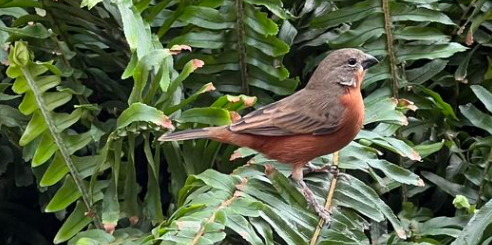
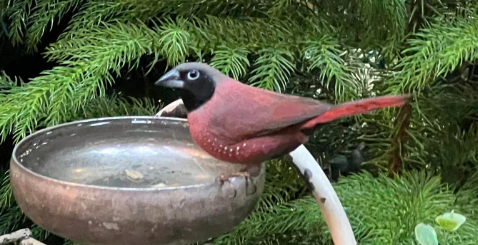
Red-billed Firefinch: Senegal Firefinch, breeding, diet


Breeding the Red-billed Firefinch
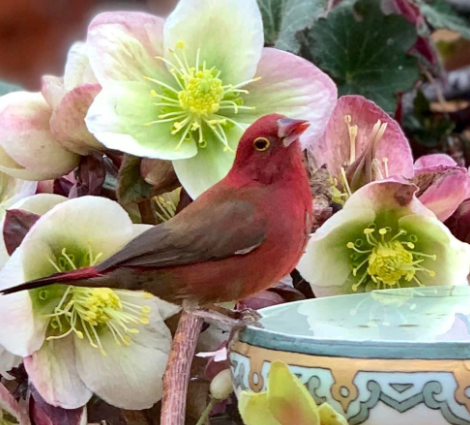
Breeding Red-billed Firefinches (Lagonosticta senegala), also known as Senegal Firefinches, can be a fulfilling experience for bird enthusiasts. They are relatively easy to breed, provided their environmental and nutritional needs are met. Here’s a guide to successfully breeding them:
1. Environment & Housing
- Cage or Aviary: Red-billed Firefinches can be housed in either a spacious cage or a well-planted aviary. They prefer a quiet, peaceful environment with plenty of room to fly. A minimum cage size of 30x20x20 inches is recommended for a pair.
- Nest Sites: Provide enclosed nesting boxes or wicker baskets, often lined with soft materials. These finches also like to build nests in dense foliage if housed in an aviary with plants.
- Nesting Materials: Offer coconut fibers, dry grass, and feathers. The birds will select suitable materials to construct their nest.
2. Red-billed Firefinch Diet for Breeding
- Seed Mix: A high-quality finch seed mix, including millet, canary seed, and small grass seeds, should form the base of their diet.
- Protein-Rich Foods: Live foods like mealworms, fruit flies, or small insects are important during the breeding season to ensure a high-protein diet, especially when feeding chicks.
- Soft Food: Add egg food and soaked seeds to their diet, especially during breeding and chick-rearing periods.
- Fresh Greens and Sprouts: Fresh vegetables (such as spinach and dandelion) and sprouted seeds can provide necessary vitamins.
- Calcium: Make sure there is always cuttlebone or another calcium source available, which is vital for egg-laying females.
3. Red-billed Firefinch Breeding Behavior
- Pairing: Red-billed Firefinches form monogamous pairs. Introduce pairs to the breeding environment gradually to reduce stress.
- Courtship: Males court females by singing and performing a display that includes hopping and presenting nesting material to the female.
- Egg-Laying: The female usually lays 4-6 eggs, and both parents share the incubation duties. The eggs will hatch after about 11-13 days.
4. Chick Development and Care
- Feeding Chicks: After hatching, parents feed the chicks regurgitated seeds and insects. Continue providing live food and soft food throughout the chick-rearing phase.
- Fledging: Chicks typically fledge (leave the nest) after 17-21 days, though the parents will continue to feed them until they are fully independent, usually within 2-3 weeks after fledging.
- Weaning: Once the young birds are eating seeds and soft foods on their own, they can be considered fully weaned, usually around 5-6 weeks.
5. Breeding Season and Conditions
- Red-billed Firefinches can breed year-round in captivity, although it’s best to limit breeding to avoid exhaustion. In the wild, they breed during the rainy season when food is abundant.
6. Common Challenges
- Egg Binding: Female firefinches may suffer from egg binding if they don’t have enough calcium. Providing a cuttlebone and maintaining a well-balanced diet can help prevent this.
- Aggression: These birds are generally peaceful, but during the breeding season, males may become territorial. Ensure sufficient space or separate pairs if necessary.
- Infertility: Stress, inadequate diet, or unsuitable environmental conditions can lead to infertility.

By providing a stable, enriched environment and the right nutrition, breeding Red-billed Firefinches can be a straightforward and enjoyable process. Their vibrant colors and gentle nature make them a favorite among aviculturists.