Yellow-streaked lory: Breeding, housing, diet


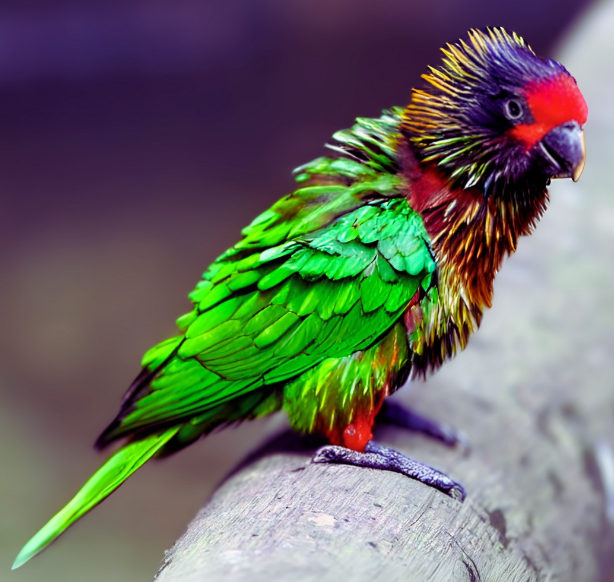
Yellow-streaked lory: Breeding Yellow-streaked Lories (Chalcopsitta scintillata), also known as the streaked lory or yellowish-streaked lory, requires an understanding of their specific habitat, diet, and behavioral needs. Here are key points to consider when breeding these colorful and unique birds:
1. Pair Bonding and Maturity
- Age of Breeding: Yellow-streaked Lories usually reach sexual maturity between 2-3 years of age.
- Monogamous Pairing: They form strong monogamous bonds, so once paired, they typically stay with the same partner. Letting the birds naturally bond is essential for successful breeding.
2. Nesting Environment
- Nest Box: Provide a spacious nest box measuring approximately 12x12x24 inches, with a 4-inch entrance hole. Ensure the box is lined with soft wood shavings or peat moss for comfort.
- Placement: The nest box should be placed in a quiet, undisturbed part of the aviary, as these birds can be sensitive to stress during breeding.
- Breeding Season: While in the wild they may breed seasonally, in captivity, they can breed year-round if the conditions are optimal.
3. Egg Laying and Incubation
- Clutch Size: The female typically lays 2 eggs per clutch. The incubation period lasts around 25-28 days, with both parents sharing responsibilities.
- Parental Care: Both parents help feed and care for the chicks once they hatch, which is vital for the health and development of the young birds.
4. Diet During Breeding
- Nectarivorous Diet: Yellow-streaked Lories primarily consume nectar and fruits. During the breeding period, provide high-quality commercial lorikeet nectar, along with soft fruits like apples, berries, and pears.
- Protein Supplementation: A protein boost is essential for chick development. Include foods like egg food or insect larvae to the breeding diet.
- Calcium: Female lories need an extra calcium supplement to avoid egg binding and ensure healthy egg production. Offer cuttebones or calcium-enriched food.
5. Yellow-streaked lory Chick Development
- Feeding: The parents will feed the chicks a regurgitated nectar mixture. Ensure they are provided with ample fresh nectar and soft food to support chick growth.
- Fledging: Chicks will begin to fledge at around 8-10 weeks. However, they may continue to rely on the parents for food for an additional 2-4 weeks.
6. General Care and Housing
- Spacious Aviary: Yellow-streaked Lories are active birds that need a large aviary with room to fly and play. Housing them in a spacious, clean environment will promote healthy breeding behavior.
- Social Interaction: These lories are social birds and enjoy interaction, but they can become territorial during breeding. If you have multiple pairs, ensure they have sufficient space to avoid aggression.
- Hygiene: Due to their liquid diet, they can be messy, so frequent cleaning of their cages or aviaries is required to maintain a healthy environment.
7. Yellow-streaked lory Health and Challenges
- Aggression: Like many parrot species, they may become territorial and aggressive during breeding, especially towards other birds. Keep pairs separate to avoid fights.
- Chick Mortality: In rare cases, some chicks may not survive the first few days after hatching. Regular monitoring is important to ensure the chicks are being fed and growing properly.
Yellow-streaked lory conclusion
Breeding Yellow-streaked Lories is a manageable endeavor with proper care, housing, and attention to their unique dietary needs. By creating a calm and enriching environment, providing a balanced diet, and ensuring the nest box is comfortable and secluded, breeders can successfully raise healthy chicks. Keep an avian vet on standby for any unexpected issues, and pay attention to the needs of the breeding pair to maximize the chances of successful breeding.
Other lorikeet and lory species are discussed on our website.
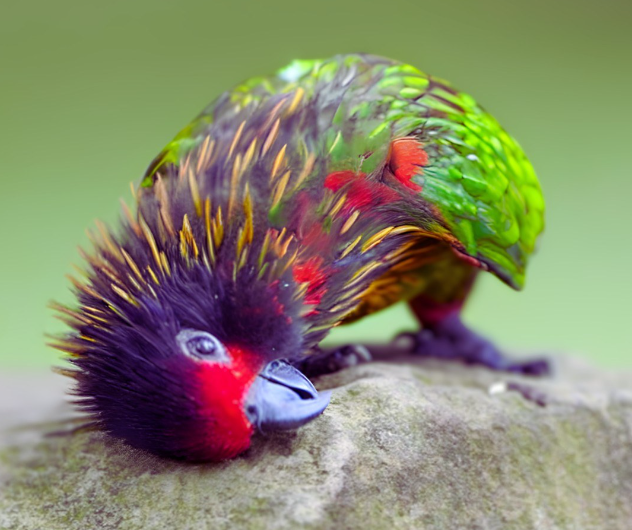
In-depth discussion about Breeding Lorries and Lorikeets.