Black-capped Lory: Breeding, Pairing, Diet


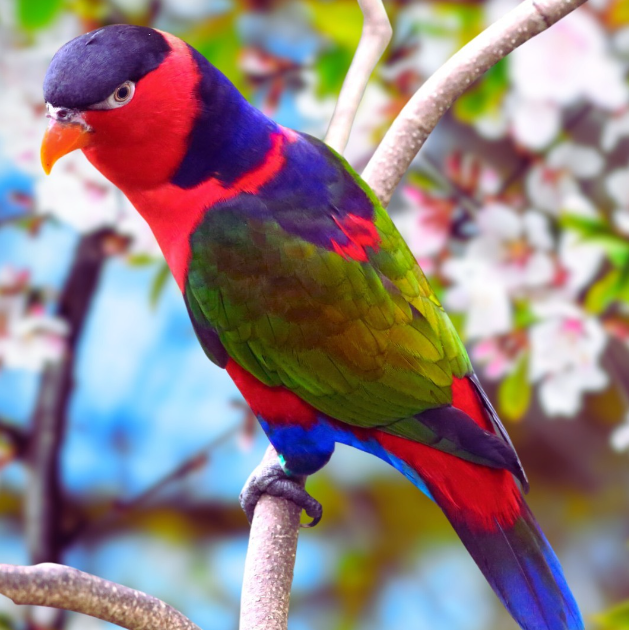
Black-capped Lory: Breeding Black-capped Lories (Lorius lory) require specific attention to their housing, diet, and environmental conditions to ensure successful reproduction. Below is a comprehensive guide on breeding this stunning parrot species:
1. Pair Bonding and Maturity
- Sexual Maturity: Black-capped Lories typically reach sexual maturity around 2-3 years of age.
- Pair Bonding: They form strong monogamous pair bonds. It is crucial to allow the birds to pair naturally, as forcing pairs can result in aggression or incompatibility.
2. Black-capped Lory Breeding Environment
- Cage or Aviary: Black-capped Lories are active birds and require a large flight cage or aviary. Ideally, the aviary should be at least 8 feet long, 4 feet wide, and 6 feet tall to allow them to fly and exercise.
- Nest Box: Provide a wooden nest box measuring around 12x12x24 inches, with an entrance hole of around 3-4 inches in diameter. Place a mixture of softwood shavings and peat moss inside the nest box for comfort and cleanliness.
- Temperature and Humidity: Since Black-capped Lories originate from tropical regions, maintaining a warm environment (around 25-30°C) and moderate humidity (50-70%) is vital.
3. Diet During Breeding
- Nectar-Based Diet: Black-capped Lories are nectarivores, so their diet should include commercial lorikeet nectar or a homemade nectar mix. Add a variety of soft fruits like papaya, mango, apples, and pears to the daily feeding routine.
- Protein Boost: During the breeding season, extra protein is essential. Incorporate boiled eggs, mealworms, or commercial egg food to support egg production and chick growth.
- Calcium: The female lory requires a calcium supplement, such as cuttlefish bone or a calcium block, to ensure healthy egg production and avoid egg binding.
4. Egg Laying and Incubation
- Clutch Size: Black-capped Lories usually lay 2 eggs per clutch, though occasionally a third egg may be laid.
- Incubation Period: The incubation lasts 24-26 days, with both parents taking turns incubating the eggs.
- Chick Development: After hatching, the chicks are fed regurgitated nectar by their parents. The chicks usually fledge after 7-8 weeks, but they may remain dependent on the parents for several weeks post-fledging.
5. Black-capped Lory Chick Rearing
- Feeding: Chicks will be fed a mix of regurgitated nectar and soft fruits. Ensure the parents have a continuous supply of fresh nectar and fruits to provide enough nutrients for the chicks.
- Weaning: The chicks begin to wean around 8-10 weeks of age and should be fully weaned by 12 weeks. At this stage, they will begin to eat solid foods and nectar on their own.
6. Breeding Challenges
- Aggression: While Black-capped Lories are typically friendly, they can become territorial during the breeding season. It’s important to provide a quiet and stress-free environment for breeding pairs.
- Chick Mortality: Inexperienced pairs may have difficulty with their first few clutches, leading to egg infertility or chick mortality. This typically improves with time and experience.
7. Health Considerations
- Cleanliness: Black-capped Lories are messy due to their liquid diet. Frequent cleaning of their aviary and nest box is necessary to prevent bacterial buildup and ensure a hygienic environment for breeding.
- Monitoring Health: During the breeding season, it’s important to monitor both the parents and chicks for signs of illness, particularly digestive issues or calcium deficiency in the females.
Black-capped Lory Conclusion
Breeding Black-capped Lories requires attention to their specific dietary needs, an appropriate nesting environment, and careful management of their social behavior. With patience, a healthy pair can produce and raise chicks successfully in captivity. Regular cleaning, fresh food, and a peaceful setting are key factors in ensuring successful breeding.
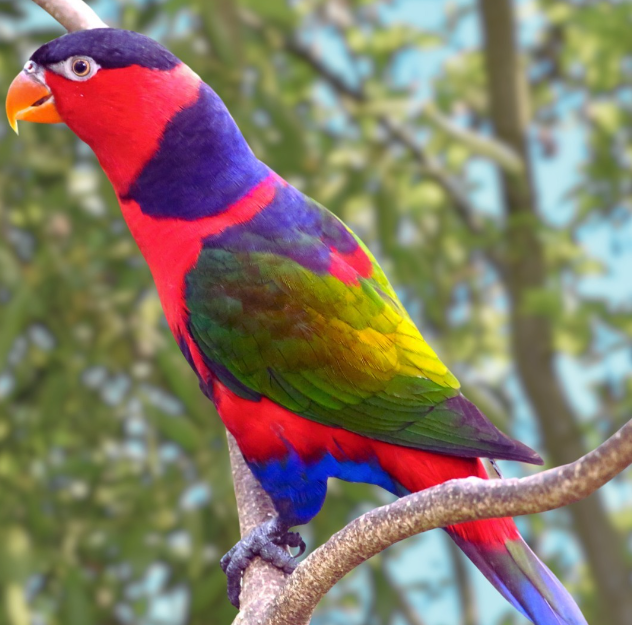
In-depth discussion about Breeding Lorries and Lorikeets.


