Choosing a camera for bird twitching


Choosing a camera for bird twitching. As I mentioned in the previous blog post, I also wanted to take photos like I have seen on social media and visit some of the birdwatching places available in South Africa. I included the word twitching in the title because I want to photograph as many different species as I can.
I was very impressed with the photos taken by Dionne Miles from Cape Town and asked her what equipment she is using. She replied that she is using a Nikon D750 with a Nikkor 200-500mm lens. After setting my goal on this and saving up, that is exactly what I bought.
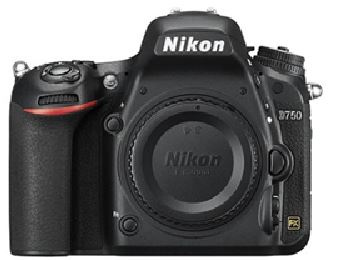
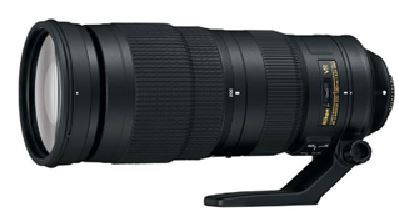
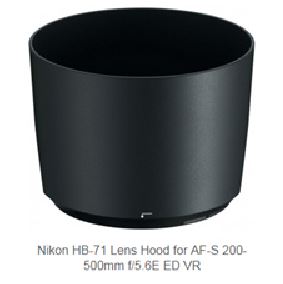
I also bought a filter to protect the lens from scratching and a 32 gig SD card. The over 500-page user manual assisted me to get ready for my first photos.
My first photo was taken in the garden to practice the camera settings. The following weekend I headed out for my first twitching journey to Hartebeespoort Dam near Pretoria. My life list ticking started in earnest.
My goal is more to build up a lifers list rather than taking front-page photos. I came across some set-and-forget settings for the camera that I will share with you next time. Thanks for reading, until the next blog post.
You might also be interested in this blog post:
https://www.wwbirds.co.za/dir/birdwatching-using-camcorder/

Cape Glossy Starling
Muldersdrift, Krugersdorp
More information:
The Cape starling is found in the southern part of Africa. The Cape starling is a gregarious bird and forms large flocks in the non-breeding season. It usually feeds on the ground often foraging alongside other species of starlings.
Breeding – Breeding mainly takes place between October and February but may continue into April in Namibia.
Call – It has a lengthy warbling song which may include an imitation of sounds it hears in its environment.
You are welcome to join my Facebook group and share your photos: https://web.facebook.com/groups/782611491848758