Bearded reedling: Bearded Tit, Breeding, Diet, Housing


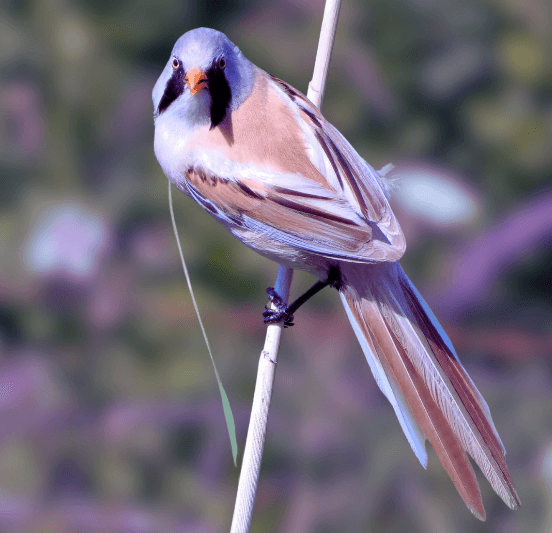
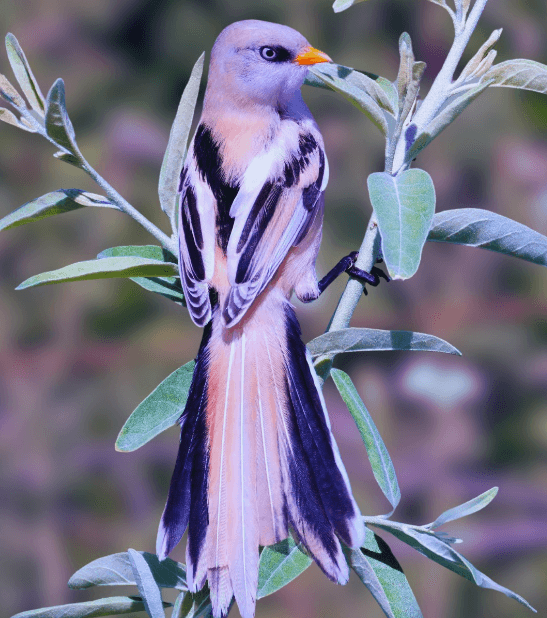
Bearded reedling: Breeding the Bearded Reedling (also known as the Bearded Tit, Panurus biarmicus) involves replicating its natural habitat and providing appropriate conditions to support its reproductive needs. These small passerine birds are usually found in wetland habitats, particularly reed beds.
1. Habitat and Environment
- Cage/Aviary Setup: A large aviary is necessary, preferably with access to water and tall reed-like plants to mimic their natural environment. Natural reeds are essential for providing the birds with both shelter and materials for nest-building.
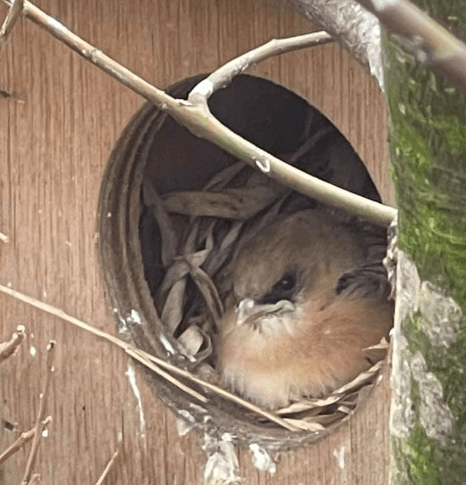
- Nest Sites: In the wild, Bearded Reedlings build their nests low in reeds or other vegetation close to water. In captivity, provide platforms or baskets nestled within dense plantings to offer them a secure nesting site.
2. Diet
- Seed Mix: Offer a mix of millet, canary seed, and other small seeds.
- Insects: Bearded Reedlings primarily feed on insects, especially during the breeding season. Supplement their diet with mealworms, fruit flies, and other small invertebrates to meet their protein needs.
- Fresh Greens: Some greens and small fruits can also be offered, but protein sources are critical, especially for chick-rearing.
3. Bearded reedling Breeding Behavior
- Pairing: These birds form strong pair bonds, and it’s important to ensure a compatible pair. Please make sure to introduce potential pairs carefully to avoid aggression.
- Courtship: Males engage in a variety of courtship displays, including singing and fluttering flights to attract the female.
- Egg-Laying: Females usually lay 4-6 eggs, and both parents share the duties of incubating the eggs and feeding the chicks.
- Incubation and Fledging: Eggs hatch after about 11-12 days. Chicks fledge around 15 days but will still rely on parents for food for another week or two.
4. Bearded reedling challenges
- Environmental Sensitivity: Bearded Reedlings are sensitive to changes in their environment, so it’s crucial to maintain a stable, quiet setting to encourage breeding.
- Breeding Season: In captivity, they tend to breed in the spring and early summer, similar to their natural cycle.
With careful attention to their diet, habitat, and pairing, Bearded Reedlings can successfully breed in captivity. However, they require a specialized setup that mimics their wetland habitat to thrive.