Citrusdal Western Cape birding: Endemics, Habitats, Access and Facilities


Citrusdal Western Cape birding
Citrusdal, located in the Western Cape province of South Africa, is known for its scenic landscapes, rich agricultural heritage, and diverse birdlife. Nestled in the Olifants River Valley, Citrusdal offers birdwatchers a variety of habitats, including fynbos, rivers, orchards, and mountains, which attract a wide range of bird species, including several that are endemic to the region. Below is a detailed guide to birding in Citrusdal, covering endemic species, birding habitats, seasonal tips, and practical travel information.
Birding in Citrusdal
Endemic and Notable Bird Species
Citrusdal and its surroundings are part of the Cape Floristic Region, a biodiversity hotspot, making it an excellent location for spotting endemic species. Some of the notable birds you might encounter include:
- Cape Sugarbird (Promerops cafer)
- Orange-breasted Sunbird (Anthobaphes violacea)
- Protea Seedeater (Crithagra leucoptera)
- Cape Bulbul (Pycnonotus capensis)
- Karoo Prinia (Prinia maculosa)
- Southern Double-collared Sunbird (Cinnyris chalybeus)
- Cape Spurfowl (Pternistis capensis)
- Cape Robin-Chat (Cossypha caffra)
- Fiscal Flycatcher (Melaenornis silens)
- Grey-backed Cisticola (Cisticola subruficapilla)
These species are often associated with fynbos vegetation and other local habitats, making Citrusdal a prime destination for birders interested in regional endemics.
Citrusdal Western Cape Birding Habitats
Citrusdal offers a variety of habitats that support a diverse bird population:
- Fynbos Vegetation: The surrounding hills and mountains are covered with fynbos, a unique and rich plant community. This habitat is ideal for species like the Cape Sugarbird and Orange-breasted Sunbird, both of which are closely associated with protea plants.
- Riparian Zones: The Olifants River and its tributaries provide riparian habitats that attract a variety of waterbirds, including kingfishers, herons, and egrets. These areas are also home to the African Fish Eagle.
- Orchards and Farmlands: Citrus orchards and surrounding farmlands attract a mix of birds, including weavers, doves, and raptors. The open spaces and cultivated lands provide feeding opportunities for many species.
- Woodlands and Gardens: The town of Citrusdal itself, along with its gardens and small woodlands, offers habitats for common garden birds like the Cape Bulbul, Fiscal Flycatcher, and Southern Double-collared Sunbird.
Seasonal Birding Tips
Summer (November to February)
- Breeding Season: Summer is the peak breeding season for many birds in the Western Cape, providing opportunities to observe nesting behaviors and juvenile birds.
- Migratory Species: This season also sees the arrival of migratory species, increasing the diversity of birds in the area.
- Increased Activity: Birds are generally more active during the early morning and late afternoon to avoid the midday heat.
Autumn (March to May)
- Mild Weather: As temperatures cool, bird activity remains high. This is a great time to see birds preparing for winter, often feeding intensively.
- Departing Migrants: Some migratory species begin to depart, but many residents remain highly visible.
Winter (June to August)
- Resident Species: Birdwatching in winter focuses on resident species, with less diversity but clearer visibility as deciduous trees shed their leaves.
- Raptors: Raptors are more easily spotted as they hunt over the farmlands and open areas during this time of year.
Spring (September to October)
- Spring Awakening: Birds become more active as they prepare for the breeding season, with many beginning courtship displays and territorial behaviors.
- Return of Migrants: Spring marks the return of migratory species, adding to the birdlife diversity.
Citrusdal Western Cape birding Travel Information
Access and Facilities
- Location: Citrusdal is approximately 180 km (about a 2-hour drive) north of Cape Town, easily accessible via the N7 highway.
- Access: Citrusdal and its surrounding areas are open to visitors year-round. Birding spots can be found both within the town and in the surrounding countryside.
- Parking: Ample parking is available in the town, and at various trailheads and birdwatching spots in the surrounding areas.
- Opening Hours: Birding can be done throughout the day, but early morning and late afternoon are the best times for bird activity.
- Facilities:
- Accommodation: Citrusdal offers a range of accommodation options, including guesthouses, B&Bs, and camping sites.
- Restrooms: Public restrooms are available in the town, and at some nature reserves and parks in the area.
- Food and Drink: The town has several restaurants, cafes, and shops where you can buy refreshments.
Tips for Visiting
- Best Times for Birding: Early mornings are the best time for birdwatching, as birds are most active during these cooler hours.
- What to Bring: Binoculars, a camera, a local bird field guide, comfortable walking shoes, sunscreen, a hat, and plenty of water are essential for a successful birding trip.
- Weather Awareness: The Western Cape weather can be unpredictable, so check the forecast and be prepared for sudden changes, especially in winter and spring.
Conclusion
Citrusdal is a fantastic birdwatching destination in the Western Cape, offering a mix of endemic species and beautiful habitats. Whether you’re exploring the fynbos-covered mountains, the lush riparian zones, or the productive farmlands, you’ll find a wealth of birdlife to enjoy. With its accessible location, variety of habitats, and comfortable facilities, Citrusdal provides an excellent opportunity for birders of all levels to experience the rich avian diversity of the Western Cape.
Fiscal Flycatcher
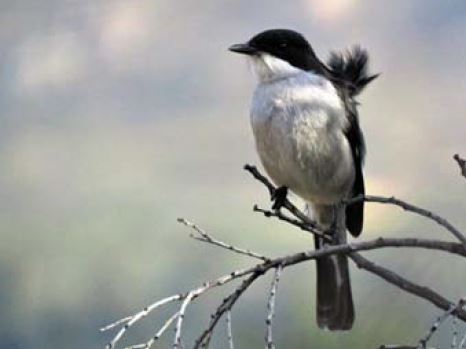
I photographed this Fiscal Flycatcher about three weeks ago upon the Road To Nowhere about 20kms out of Citrusdal. The wind was blowing and it blew his feathers up on his back most prettily. Canon Powershot SX60HS 1/1600sec, f5.6 and ISO 640.
African Pipit
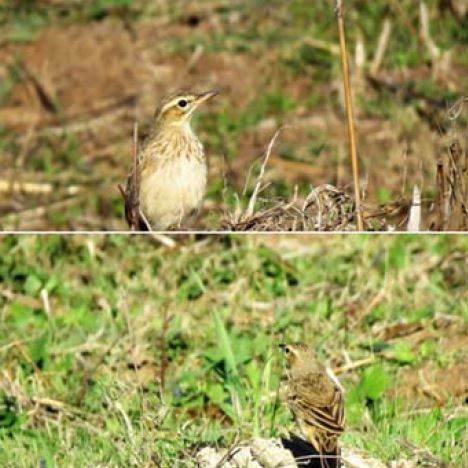
‘Stop. The. Car!’ I hissed. No, it wasn’t really a hiss – it came out sounding like something from the depths of the scariest horror movie ever made. Maybe, I thought, sticking my camera through the window, I could earn extra money doing Voldemort impersonations at stag parties. Joepie and Elna had come back from being in Cape Town for the weekend and Joepie wanted to drive down to the campsites and see how things were looking.
To get to the campsites we had to drive through the Diesel Field – the huge field alongside the New Dam (about 20kms from Citrusdal) where the big diesel tanks had stood to fuel the immense earthmoving machinery. The field is currently looking like an Army Recruit’s new haircut and is slightly wavy from the ploughing that was done there 18 months ago.
So – short, short, short grass, and slightly hillocky – and there – really close to the bakkie, was an African Pipit, standing on one of the hillocks. Joepie obligingly stopped (I personally would have put my foot flat on the floor and not taken it off until I reached the local police station…) I got these photos – with the evening sunlight on them at just the right angle. Cars – birds don’t seem to mind them. Canon Powershot SX60HS 1/1000sec, f6.3, and ISO 250.
Citrusdal Western Cape birding – Olive Thrush
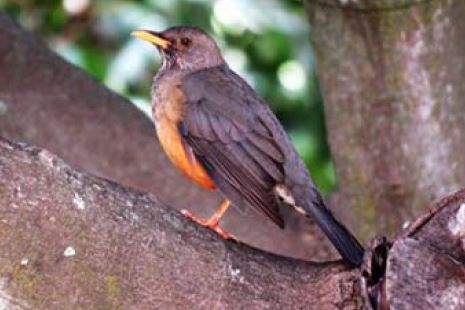
Cuddled up in bed at night I often do a lot of planning for the next day, and one of the things is to choose a photo to post the following day. Dawn comes, and I get up and gird my loins for the day – only to find that Kevin Lavery has posted exactly the same bird that I planned in the warmth and comfort of my blankets the night before.
And then I have to think of another bird otherwise it looks like Copy Cat. It’s actually reaching the stage where I’m scared he’s going to find out my pin number and bank account! So I’ve finally decided – if you can’t beat ‘em join ‘em! This is my photo of an Olive Thrush, taken in Elna’s Garden outside Citrusdal. Canon Powershot SX60HS 1/200sec, f6.3, and ISO 800.
Text and photos courtesy: Sue Collins
You might also be interested in Geelbek Western Cape birding.


