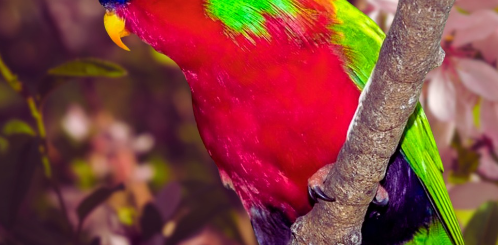
Green-naped Lorikeet: Coconut Lorikeet, Breeding, Diet, Prices


Breeding and keeping the Green-naped Lorikeet, (Trichoglossus rubritorquis), a subspecies of the Rainbow Lorikeet, can be an enjoyable experience, but it requires a deep understanding of their specific needs, especially regarding diet, space, and breeding conditions.
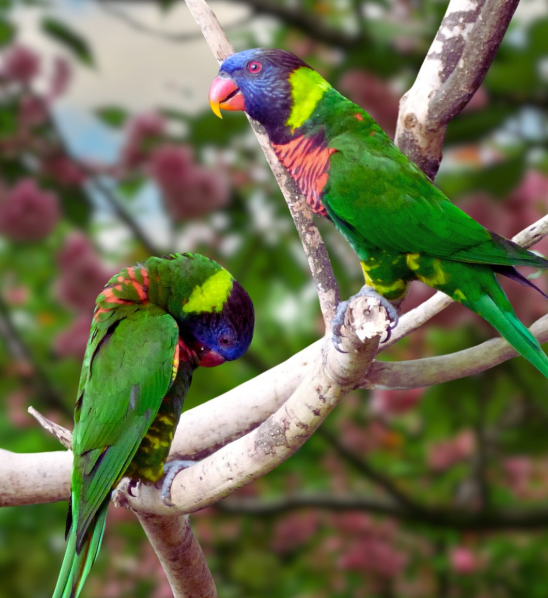
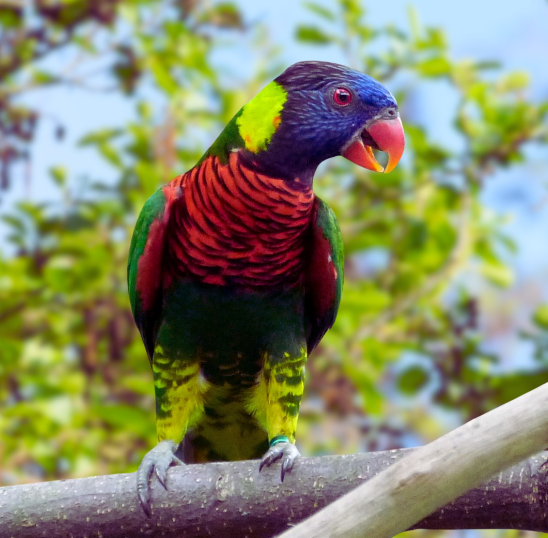
Coconut lorikeet (Trichoglossus haematodus)
The Coconut Lorikeet differs from the Green-naped Lorikeet (Thank you Kellie Stewart for pointing this out.). If you look at a green nape, its nape is how it got its name, it is a bigger bird notice the chocolate head on the coconut lory.
The weight of a Green-naped lorikeet is 133 grams. The weight of a Coconut lorikeet 109 grams.
1. Housing and Environment
- Aviary Setup: These lorikeets are highly active birds, so they require a large aviary or spacious cage that allows for flight and exercise. An outdoor aviary is ideal, with plenty of natural light and a variety of perches at different heights.
- Cage Setup: If kept indoors, ensure the cage is at least 4 feet wide, as lorikeets are energetic and need room to move. Include toys, swings, and branches to keep them entertained.
- Cleanliness: Lorikeets have a unique diet (see below) that can result in a more liquid droppings than seed-eating parrots, so maintaining a clean environment is crucial to avoid health issues.
2. Green-naped Lorikeet Diet
- Nectar-based Diet: Green-naped Lorikeets require a specialized nectar-based diet rather than a typical seed diet. Commercial lorikeet nectar powder is widely available and should be prepared fresh daily.
- Fruits and Vegetables: Offer a variety of fresh fruits such as apples, berries, grapes, and melons, along with vegetables like leafy greens and carrots.
- Pellets: Specially formulated lorikeet pellets can be part of their diet, but always supplement with fresh nectar and fruit.
- Avoid Seeds: Lorikeets’ digestive systems are not designed for seed-heavy diets, and excessive seed consumption can lead to health problems such as obesity or liver disease.
3. Breeding
- Breeding Age: Green-naped Lorikeets typically reach sexual maturity around 2-3 years of age.
- Nesting Boxes: Provide a nest box measuring about 12×12 inches with a 3-inch entrance hole. They prefer a secluded area to nest in, and you can provide nesting material such as wood shavings.
- Egg-laying: The female usually lays 2 eggs, and incubation lasts about 24-25 days. Both parents participate in feeding the chicks after hatching.
- Chick Development: Chicks fledge at around 8 weeks, but continue to rely on the parents for food for a few more weeks after leaving the nest.
4. Behavior and Socialization
- Green-naped Lorikeets are highly social, active, and noisy birds. They enjoy interaction and require plenty of mental stimulation. Regular playtime and training help keep them happy and well-adjusted.
- Vocalization: They are known for being vocal, which includes mimicking sounds and sometimes human speech.
5. Green-naped Lorikeet Challenges
- Messy Eaters: Due to their liquid-based diet, lorikeets can be messy, and this requires diligent cleaning of their cage or aviary.
- Diet Management: Ensuring a balanced diet that meets their nectar requirements is crucial to their health. Improper diet can lead to malnutrition or diseases like iron storage disease.
By meeting the Green-naped Lorikeet‘s specific environmental, dietary, and social needs, they can thrive in captivity and become delightful, long-lived companions. Their playful nature and striking colors make them a favorite among bird enthusiasts.
Lorikeet prices:
In general, the selling price of Lories in New Zealand is higher than in many other countries. This is a reflection on the relatively few breeders in New Zealand and the small population of breeding lories.
Pricing varies depending on immediate availability, recent sales both from pet stores and from Breeders suggest the following prices for single birds, pairs (cock and hen), and mutations in New Zealand dollars:
Green-naped lorikeet $2000/pair
Further research about lorikeets:
Chattering Lory, Breeding, Mutations, Personality
In-depth discussion about Breeding Lorries and Lorikeets.